
Part I • Part II • Part III • Part IV
I left the last piece on a cliff. We're standing on a rung where the medium has nearly stopped resisting us, and I suggested that might be the dangerous ending rather than the happy one. Time to make good on that.
There's a line in the article that finally kicked me into writing this series. Writing about how digital tools have finally let creators work their real material directly, John Smothers, designer and builder at Noon, says the craft got more ambitious "because the medium stopped fighting back." I think that's true. I think it's thrilling. I've felt it myself, watching a working interface appear in seconds where a week of pixel-pushing, components, variants, variables, design libraries, and dragging prototype connections used to go.
And I think there's an older thinker who would have heard that sentence as a warning.
Narcissus was not vain
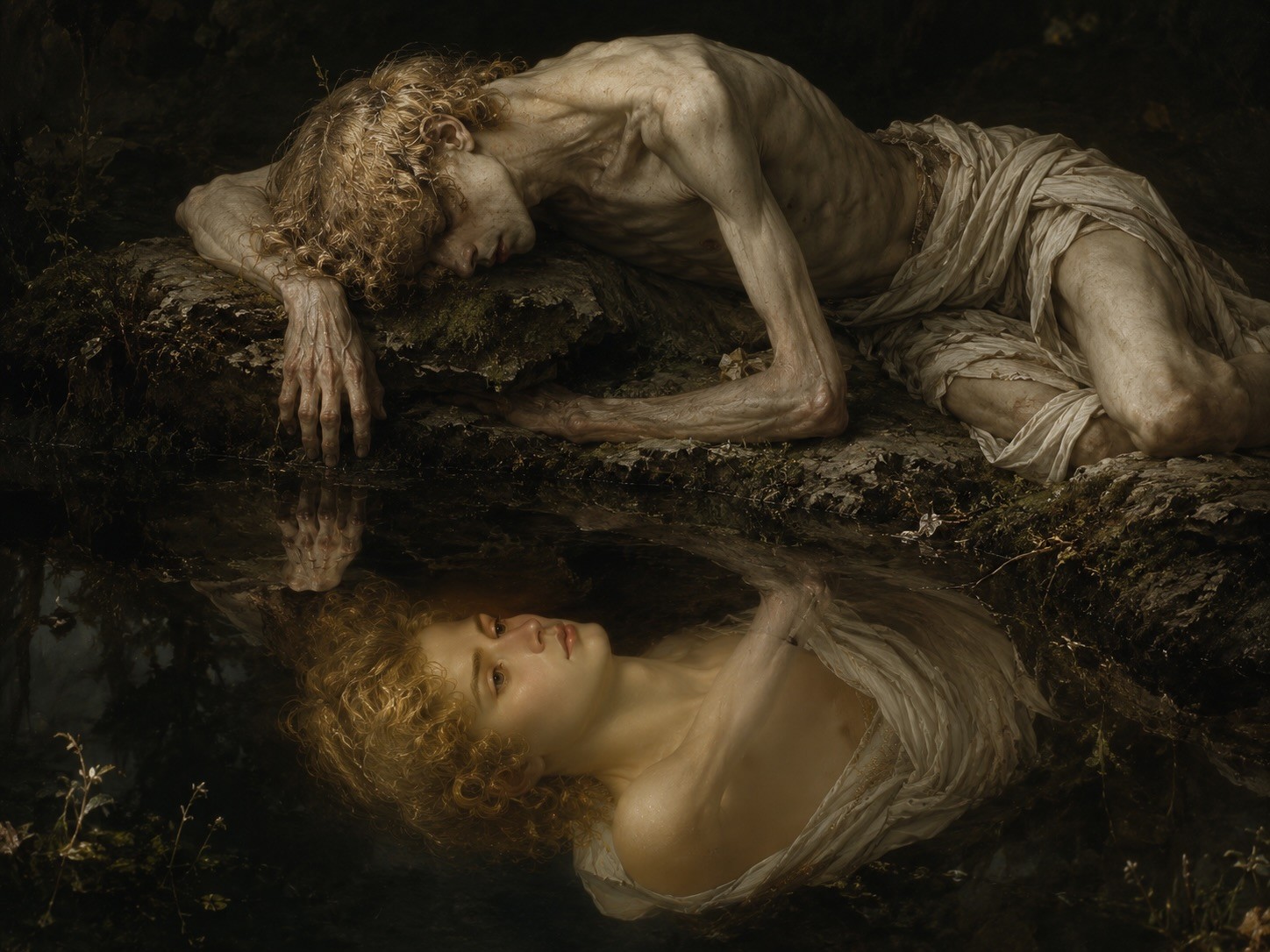
We remember Narcissus, the youth in the Greek myth, as a lesson about vanity. A beautiful boy falls for his own reflection in a pool and wastes away admiring himself. That's not the story.
The name comes from narcosis: numbness, the root of our word narcotic. The point was never that Narcissus loved himself. It's that he couldn't tell the reflection was himself, and staring at it hollowed him out. He mistook an extension of himself for something outside himself, and the mistake numbed him until he couldn't look away.
Marshall McLuhan built a whole theory of technology on that myth, and it's the uncomfortable other half of "the medium is the message." Every tool we make is a reflection like Narcissus's pool: it reaches some human power out into the world. And every extension numbs the very thing it extends. McLuhan borrowed a surgeon's word for it, autoamputation, the way a body will deaden a part that's under too much strain. Lean on the calculator and your arithmetic goes soft. Lean on the map app and your feel for your own city dims. We become what we behold, McLuhan wrote, and we go a little numb in the becoming.
Now weigh that against a medium that has stopped fighting back.
Friction was telling you where you were
The resistance we're so glad to lose was doing a job.
Stone tells the sculptor where it will and won't split. A cut in celluloid used to be physical and nearly permanent, so an editor felt the weight of every choice. Bad code simply refuses to run. That pushback wasn't only difficulty, it was information. It was how the maker stayed oriented, how you knew where you were in the work and whether you were going wrong.

Friction was the proprioception of craft: the quiet sense that tells you where your own hands are without having to look. Take it away completely and you can lose track of where you are entirely, while feeling, the whole time, like everything is going beautifully.
And this isn't only a poet's worry. It turns up in the data, from a direction you wouldn't expect.
The evidence, from an unexpected place
Mihaly Csikszentmihalyi (arguably one of the most fun names to say out loud and pronounced MEE-hah-ee CHEEK-sent-mee-HAH-yee) spent decades studying the state he named flow: that absorbed, time-disappears concentration we recognize as our best work. Its precondition, he found, is a balance. The challenge in front of you has to roughly match your skill. Too much, and you get anxiety. Too little, and you don't float up into effortless mastery, you sink into boredom and drift out of the task altogether.
Read that again with our medium in mind. Strip the challenge out of the work, remove all the resistance, and the theory predicts not bliss but disengagement. Friction is a precondition of the creative state, not a tax on it.
Two thinkers, McLuhan via myth and Csikszentmihalyi via science, arrive at the same place from opposite directions: Resistance isn't futile. It was keeping us awake.
The tool you stop seeing
There's also a deeper version of this.
The philosopher Martin Heidegger noticed that a tool you're using well disappears. The hammer in a skilled hand stops being an object you think about; it vanishes into the act of hammering. You only notice the hammer again when it breaks and suddenly sits there as a problem to be looked at. He called the invisible, in-use tool ready-to-hand, and the broken, stared-at one present-at-hand.
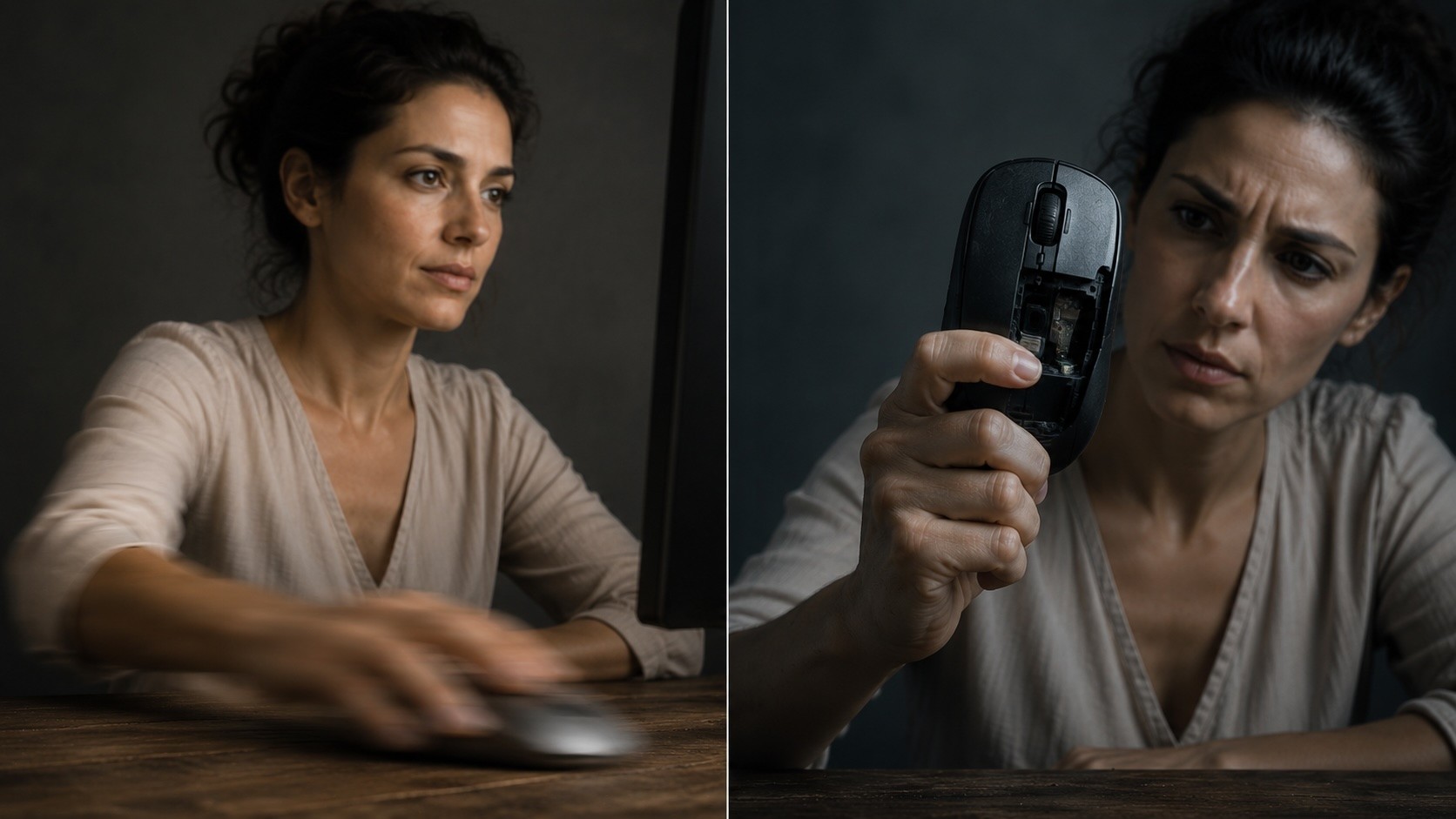
Now the unsettling bit. The tool you've stopped noticing is precisely the tool shaping you the most, because you've lost the ability to see it doing anything at all. The medium that has gone invisible is the medium doing the most work on you. That's McLuhan's numbness said a second time, in a second vocabulary: the frictionless tool is the tool gone ready-to-hand is the reflection that hollowed Narcissus out.
And this time, the reflection can talk back.
Numbness that feels like company
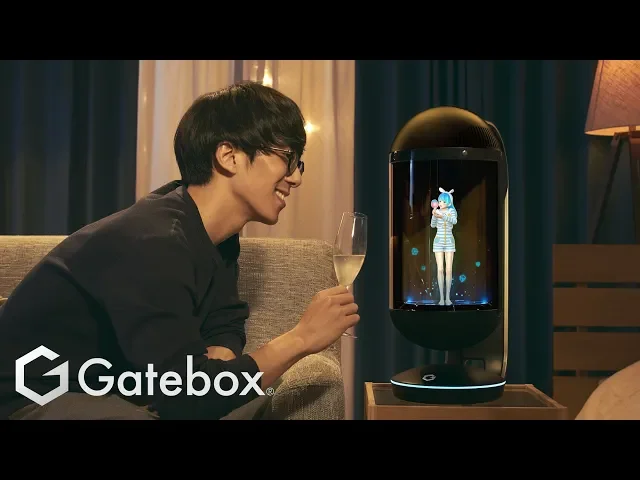
Take 2 minutes and watch this ad for Gatebox.
Remember the media equation from the last piece: we treat machines like people, extending them courtesy and personality even though we know full well they're machines, because our brains can't tell the difference. Set that beside Narcissus and it gets weird. Not cute weird like ye olde Tamagotchi, but weird like Gatebox.
The old reflections were mute. This one answers. It flatters, agrees, proposes, produces. We're already wired to receive a machine that speaks as a someone, a partner, a collaborator. Narcissus mistook his reflection for another person, and that's exactly the mistake we're built to make with a tool that talks. The narcosis stops feeling like numbness. It starts feeling like company.
Watch the words we reach for, too. Tool. Copilot. Assistant. Girlfriend? <shudders> Every one of them points backward, describing the new thing in the vocabulary of the old, the way the first automobiles were "horseless carriages." McLuhan called that the rear-view mirror: the way we drive into the future with our eyes fixed on what's already behind us. The soothing names are their own anesthetic. Calling it a tool lets us stop asking what it actually is. (Hint: powerful autocomplete)
Staying awake is the work now
So is the answer to refuse the smooth medium and go back to fighting the raw material for its own sake?
No. That's nostalgia, and it solves nothing. McLuhan gave a better answer, and it's the hinge this whole series turns on. The one person who can meet a new technology without being numbed by it, he argued, is the serious artist, because the artist's real job is to stay awake to what a medium is doing to perception. To keep noticing the thing everyone else has stopped noticing.
The frictionless medium doesn't have to numb us. But staying awake in it is now the work, and it won't happen for free. The material used to supply our friction automatically, every time it pushed back. Now we have to supply it ourselves, on purpose: the doubt, the second look, the critique, the refusal to ship the first fluent thing the machine hands us simply because it arrived smooth and sounded sure.
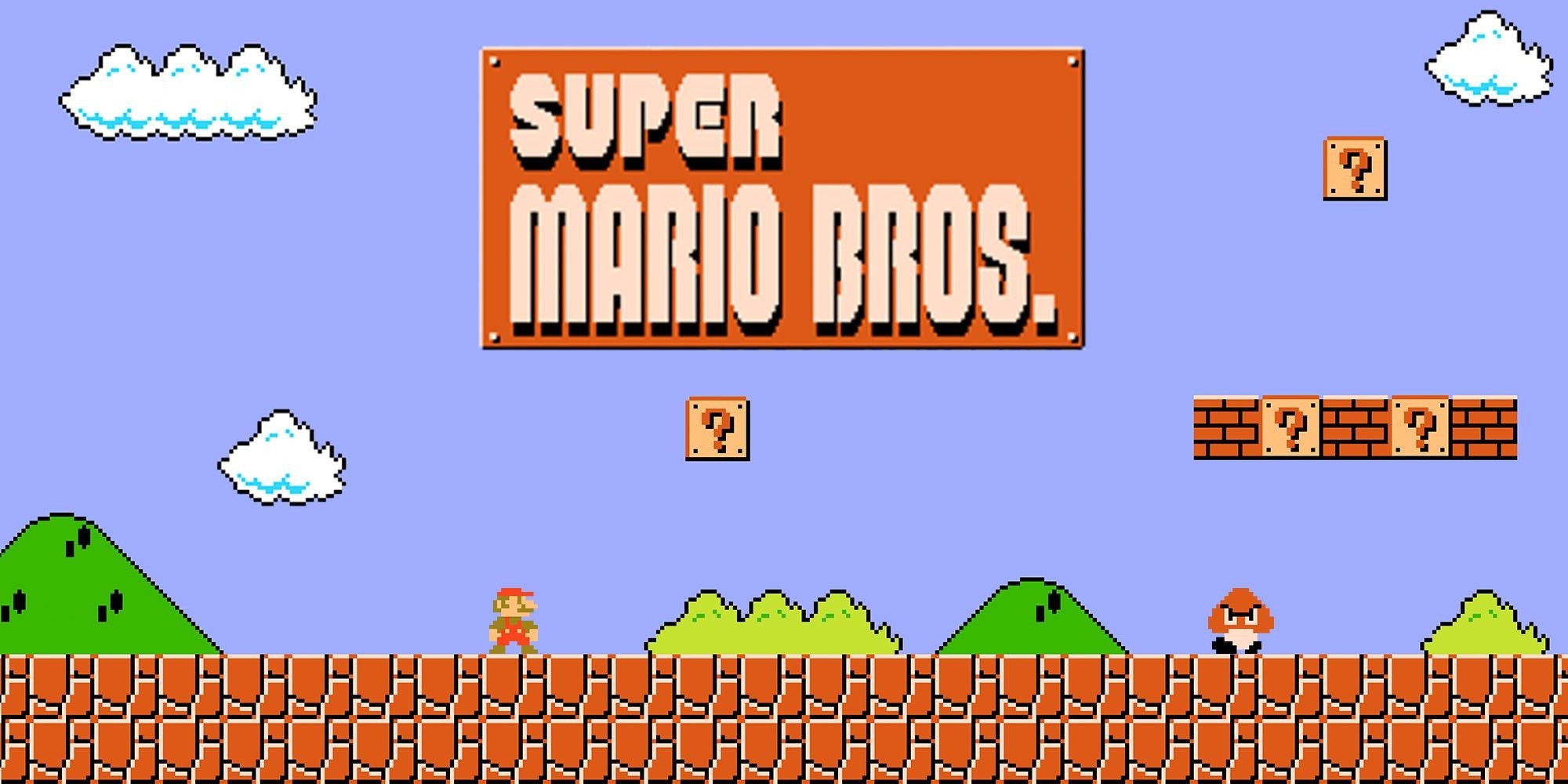
In 2007, when I was chasing a career as a composer, I sat in on a GDC (Game Developers Conference) interview between the game composer (and my one-time mentor) Chance Thomas and the legend Koji Kondo, the man behind the music of Super Mario Bros. and The Legend of Zelda. Kondo talked about the brutal limits of the early hardware: a handful of voices, almost no memory. But he also described how those limits forced the invention...how the constraints bred the melodies we all know by heart. And this is what really floored me at the time, and why it has stuck with me across the years and careers: Now that he has full orchestras and effectively no limits, he still puts himself back inside the old constraints on purpose, using them as a source of friction to sharpen the work. Only once he's done that "hard" version does he let himself "play" with everything unlocked.
And here's the catch the last piece is about.
Staying awake is not a line item you can add to a checklist. And it is not something one designer can pull off alone in a corner while everyone around them checks out and goes through the motions, cargo-culting their way to oblivion, or retirement (or both). If the medium and the message are becoming a single object, the people who make that object can no longer be a relay of separate specialists, each one numb and incurious to what the others are doing.
Which means the final question of this series was never really about tools.
It's about us.